
or call toll free 866.373.5000
FREE BOOK on MESOTHELIOMA
  • YouSpouseFatherMotherOther
  • YesNo Not Sure
  • Required so that we can verify the name and address for the recipient of the book.


We are proud to represent hardworking men and women across the United States.

What are my Treatment Options for Mesothelioma?

Treating mesothelioma depends upon the disease stage, the location of tumors, the patient's age, history and health at the time of diagnosis, and many other factors. The most common types of treatment are surgery, radiation therapy and chemotherapy.

If mesothelioma is diagnosed, it is important to begin treatment as soon as possible. The material presented here is for information purposes only, and should not be construed as advising or endorsing one form of treatment over another.

Chemotherapy for Mesothelioma Treatment

Chemotherapy is the most common treatment used to fight mesothelioma. Doctors continue to find newer and more effective chemotherapy drugs to provide relief from this disease. Some of these drugs have even been shown to prolong the life of someone with mesothelioma.

Each mesothelioma patient will have their own response to chemotherapy. Some have very little difficulty with the treatment and report that the side effects were minimal. Others will experience greater discomfort and decide that the benefits are not worth the pain. The medical profession has made great strides in reducing the side effects of chemotherapy and mesothelioma patients should talk with their family and their doctor to determine whether to undergo this treatment.

For mesothelioma patients, the chemotherapy drugs are usually injected intravenously. These treatments are often given every three weeks. The most common drugs used are Alimta (pemetrexed) and Cisplatin or Carboplatin.

Medication and vitamins may given to help manage the side effects, such as nausea and fatigue.
Sometimes, chemotherapy is used prior to, along with, or after surgery.

Surgery for Mesothelioma Treatment

There are several surgical procedures that are used to treat mesothelioma.

The most common is a procedure called "thoracentesis". A thoracentesis is used to remove excess fluid from the lining around the lungs. Usually a needle is inserted and the fluid is drawn off. The purpose of this procedure is to relieve the pain and shortness of breath that this excess fluid causes. Some mesothelioma patients will require this procedure several times.

Another common procedure is called a "pleurodesis". In a pleurodesis, talc or some other substance is injected into the lining of the lungs. This prevents further fluid buildup. If the cancer is in the lining of the stomach, this procedure is called a "paracentesis" and, in the lining of the heart, a "pericardiocentesis".

More radical surgical procedures are a "pleurectomy" (removal of the lining of the lung), a "thoracotomy" (removal of a portion of the lung), a pneumonectomy" (removal of one of the lungs), and an "extrapleural pneumonectomy" (removal of the lining and one of the lungs).

It is not unusual that chemotherapy and radiation treatments are used to complement the more radical surgical procedures.

Radiation for Mesothelioma Treatment

Radiation is sometimes used with mesothelioma patients to reduce the size of the cancerous tumors. Radiation treatment is often combined with chemotherapy and surgery to help the patient fight the disease.

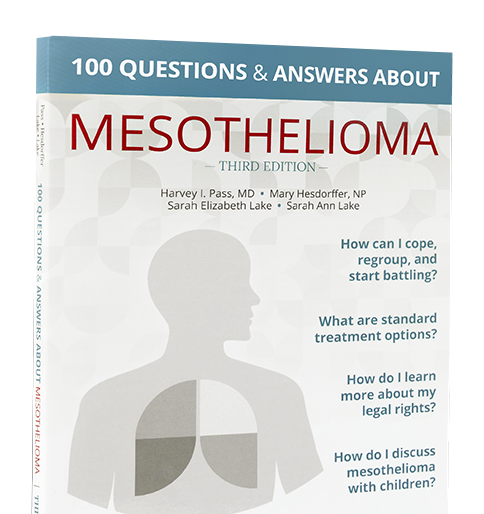
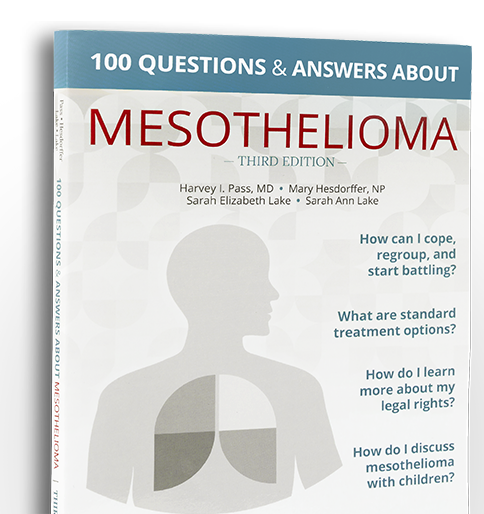
If you wish to learn more about mesothelioma, CLICK HERE to receive a free book written by medical professionals who have treated mesothelioma.